Improve Indoor Airflow With Confidence
Maintain Safe Airflow With Industrial Air Duct Cleaning in Lehi, UT
Industrial facilities depend on high-volume HVAC and ventilation systems to move air across large spaces such as warehouses, manufacturing plants, and processing facilities. These systems operate under heavier demands than residential or commercial environments, pulling in airborne particulates generated by equipment, materials handling, and daily operations. Over time, dust, debris, and industrial byproducts accumulate inside ductwork, restricting airflow and altering ventilation performance.
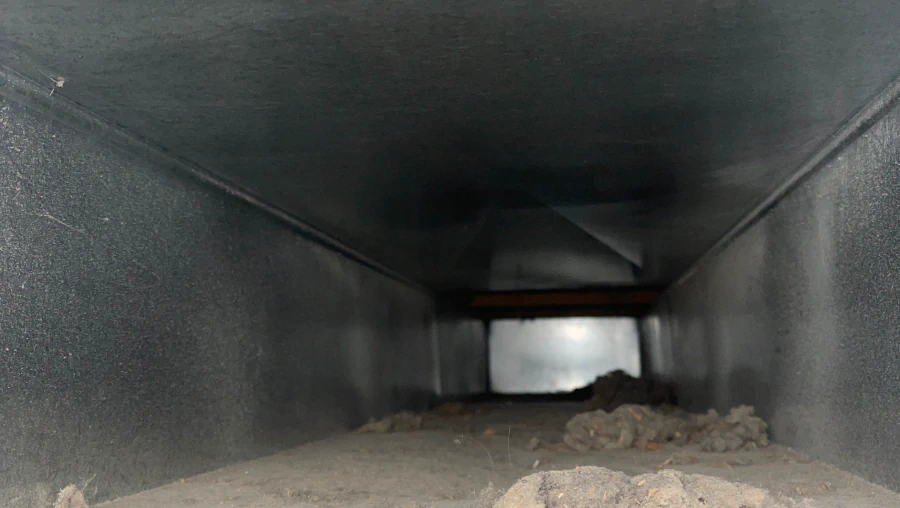
When buildup is left unaddressed, airflow efficiency declines and system strain increases. Restricted ductwork can cause uneven air distribution across large facilities, leading to hot spots, stagnant air zones, or ventilation shortfalls in critical areas. In industrial settings, these conditions can affect working environments, equipment performance, and compliance with internal air standards. Facility managers may notice increased system runtime, rising operational costs, or difficulty maintaining consistent airflow throughout the space.
Industrial air duct cleaning addresses these challenges by removing accumulated particulates from duct systems designed for high-capacity airflow. Our industrial air duct cleaning service in Lehi, UT, is built to support facilities with complex ventilation layouts and demanding operational requirements. Using specialized equipment and controlled cleaning methods, we clear buildup from ductwork to help restore airflow and system balance.
We begin by evaluating the facility’s ventilation system, including duct size, layout, and airflow demands. This allows us to plan a cleaning strategy that targets high accumulation areas while maintaining system integrity. High-powered vacuum equipment is used to capture industrial particulates as mechanical tools loosen debris from duct interiors. This approach ensures contaminants are removed from the system rather than redistributed into occupied or production areas.
By clearing ductwork, industrial air duct cleaning helps restore ventilation pathways and supports more predictable airflow throughout the facility. Addressing buildup directly within the system allows HVAC and ventilation equipment to operate closer to intended performance levels, supporting safer and more consistent working environments.
Remove Heavy Buildup From High Volume Duct Systems
Industrial duct systems are designed to move large quantities of air across expansive spaces. As air travels through these systems, it carries dust, fibers, and other particulates generated by industrial processes. Over time, these materials settle inside ductwork, especially in bends, joints, and horizontal runs where airflow slows. This accumulation restricts airflow and alters pressure balance across the system.
Our industrial air duct cleaning process is designed to handle these conditions using equipment suited for heavy-duty applications. High-capacity vacuum systems create strong negative pressure within the duct network, allowing loosened debris to be captured efficiently. Mechanical agitation tools are used to dislodge buildup from duct surfaces, ensuring thorough removal even in hard-to-reach sections.
The process includes:
- System Evaluation: Reviewing duct layout, airflow requirements, and accumulation patterns.
- Targeted Cleaning Zones: Focusing on high buildup areas while maintaining airflow control.
- High Capacity Vacuuming: Extracting dust and industrial particulates from duct interiors.
- Mechanical Debris Removal: Loosening compacted material from duct surfaces.
- Operational Coordination: Scheduling service to align with facility workflows.
This structured approach allows industrial facilities to address ventilation buildup without unnecessary disruption. Cleaning is coordinated to maintain safety protocols and support ongoing operations whenever possible.
Removing heavy buildup from ductwork supports more consistent airflow across large spaces. Clear ventilation pathways help reduce stagnant air zones and support effective air exchange throughout the facility. This can improve working conditions and help systems respond more efficiently to operational demands.
Industrial air duct cleaning also supports long-term system performance. When airflow is unobstructed, ventilation equipment can operate without excessive strain, reducing the likelihood of performance issues caused by restricted ducts. For facilities managing high-output systems, maintaining clear ductwork is an important part of overall maintenance planning.
Support Facility Airflow And System Reliability
Reliable airflow is critical in industrial environments where ventilation supports both comfort and operational needs. In large facilities, ventilation systems must move air across long distances while maintaining stable pressure and volume at each delivery point. Clear ductwork allows air to be distributed as designed, supporting consistent airflow across production floors, storage areas, and work zones. When ducts are restricted, systems must compensate, often resulting in uneven air delivery, higher energy use, and increased wear on equipment.
Industrial air duct cleaning helps restore airflow balance by addressing buildup throughout the ventilation system. This service is well-suited for warehouses, manufacturing facilities, processing plants, and other industrial environments where particulate accumulation is common. Dust, fibers, and process-related debris can accumulate quickly in high-output facilities. By removing debris directly from the duct system, facilities can maintain more predictable ventilation behavior and reduce the risk of airflow-related performance issues.
Clear ductwork also supports internal air standards by limiting recirculation of accumulated particulates. When buildup remains in the system, each cycle of airflow can reintroduce material back into occupied spaces. Removing buildup helps reduce the concentration of airborne material circulating through the system, supporting cleaner airflow paths within the facility. This can be especially important in environments where air quality plays a role in operational consistency, product handling, or employee comfort.
Maintaining clean ducts also supports consistent pressure control across complex ventilation networks. In large systems, pressure imbalances can affect damper operation, zone control, and exhaust performance. Restoring clear pathways helps systems respond more accurately to control settings and load changes. This supports more stable ventilation behavior during shifts, seasonal changes, and production fluctuations.
We emphasize careful planning and communication throughout the cleaning process. Facility managers are informed of system access needs, service timelines, and safety considerations before work begins. Access points, equipment placement, and airflow isolation plans are reviewed in advance. This ensures cleaning is performed efficiently and in alignment with facility requirements. During service, progress updates help keep operations teams informed and allow adjustments as needed.
For industrial operations seeking dependable industrial air duct cleaning in Lehi, UT, this service provides a structured approach to maintaining airflow performance and ventilation reliability across high-demand systems. Regular maintenance planning that includes duct cleaning supports consistent system behavior and helps facilities avoid performance decline caused by hidden buildup.
Address Airflow Concerns Today
Talk with our team about duct cleaning and indoor air quality services suited to your space.
Frequently Asked Questions About Industrial Air Duct Cleaning
-
Warehouses, manufacturing plants, processing facilities, and large industrial spaces benefit from clearing buildup that affects airflow and ventilation performance.
-
Cleaning is coordinated with facility managers to align with operational needs and safety protocols, often occurring during planned maintenance windows.
-
Some sections may need temporary isolation during cleaning. Scheduling is planned to minimize impact on facility operations whenever possible.
-
Removing buildup allows air to move more freely, reducing strain on ventilation equipment caused by restricted airflow.
-
Cleaning frequency depends on operational activity, particulate levels, and system usage. Facilities with higher output may require more regular service.